Market Volatility Meets Economic Resilience
Market volatility has intensified following last week’s midterm elections, as investors assessed the implications of a shift in political control in Washington. Despite an initial rally after the results, the S&P 500 declined 2.7% for the week, with Information Technology down 6.9%. Investor reactions centered on increased political opposition to data center construction, which could slow capital investment in the AI industry. While increased regulatory scrutiny, rising financing costs, and infrastructure limitations could moderate AI investments, we believe the long-term demand for computing capacity and the productivity benefits of AI remain significant.
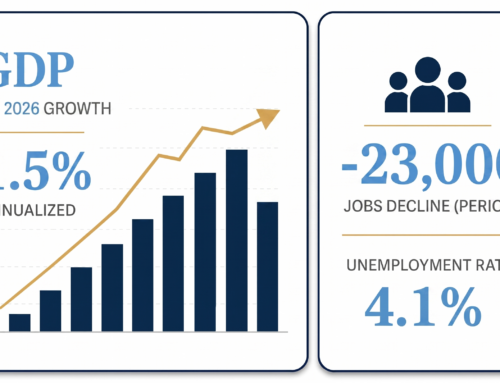
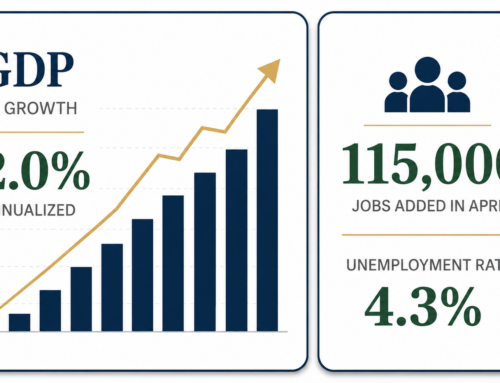
Despite concerns about AI’s future, corporate earnings continue to demonstrate strength. Third-quarter S&P 500 earnings growth is currently estimated to be 26% versus the prior year, with positive earnings surprises reported across nearly every sector. Additionally, October’s employment report offered more evidence of economic resilience. The economy added 165,000 jobs, substantially exceeding expectations of 65,000. Revisions to the prior two months added another 84,000 jobs, while the unemployment rate fell to 4.1%. Wage growth remained positive, with average hourly earnings increasing 3.1% over the past year. Healthy employment combined with falling oil prices suggests that consumer spending should remain well supported.
Overall, we believe the economic outlook remains constructive despite increased uncertainty surrounding fiscal policy, AI investment, and lofty corporate earnings expectations. While recent market volatility underscores the importance of managing risk, solid employment growth, resilient corporate profitability, and continued investment in technology support optimism over the medium to long term.